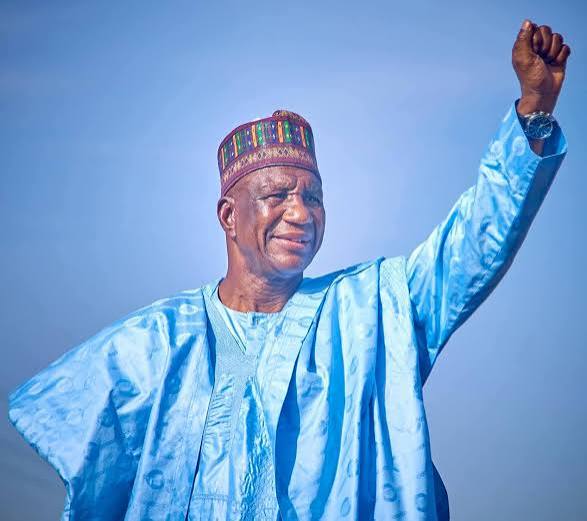


In the wake of a brutal assault that has left a community shattered and grieving, Ahmadu Umaru Fintiri has taken charge of the state’s response, confirming the death of at least 29 people in a violent attack on Guyaku community in Gombi Local Government Area.
The governor described the killings as “tragic and unacceptable,” underscoring the urgency of confronting the growing security challenges in parts of the state. His remarks came during an on-the-spot assessment visit to the devastated community, where scenes of destruction and despair painted a grim picture of the aftermath.
Eyewitness accounts and local reports indicate that the attackers operated for several hours with little resistance, unleashing terror on residents. Homes were razed, motorcycles destroyed, and even places of worship were not spared—deepening the trauma for survivors who now face both physical and emotional displacement.
During the visit, Governor Fintiri met with bereaved families, offering condolences and assurances that the government would not abandon them in their time of need. He emphasized that his administration is intensifying collaboration with security agencies to track down perpetrators and prevent further bloodshed.
“We will not rest until peace is restored and those responsible are brought to justice,” the governor stated, reaffirming his commitment to safeguarding lives and property across Adamawa State.
The atmosphere in Guyaku remains tense, with fear hanging heavily over the community. Women, children, and the elderly—arguably the most vulnerable—have fled their homes, seeking refuge in safer areas amid concerns of renewed attacks.
Community leader Aggrey Ali of Kumo Gombi recounted the horrifying ordeal, noting that the attackers moved with alarming coordination and ruthlessness. “They came in large numbers and stayed for hours. People were killed, homes burned, and everything we had was destroyed,” he said.
Security analysts warn that such prolonged attacks point to gaps in rapid response systems, raising questions about local intelligence gathering and deployment strategies. However, the state government insists that measures are already being reinforced to address these weaknesses.
As the state mourns, attention is now turning to both immediate humanitarian relief and long-term security reforms. For the people of Guyaku, the hope remains that this tragedy will not be just another statistic, but a turning point toward lasting peace and accountability.