
The Naira recorded another day of relative calm on Thursday, December 4, 2025, with both official and parallel market rates showing minimal divergence as Nigeria moves into the final stretch of the year.
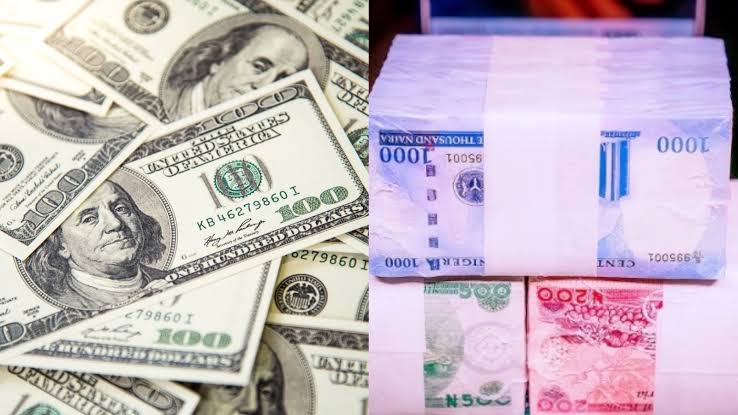
In the official Nigerian Foreign Exchange Market, the currency traded at about ₦1,445.54 to the Dollar in early dealings. The rate hovered within a tight band, touching an intraday high of ₦1,448.20 and a low of ₦1,444.90. Analysts attribute the steady performance to ongoing efforts by the Central Bank of Nigeria to streamline market operations through its Electronic Foreign Exchange Management System.
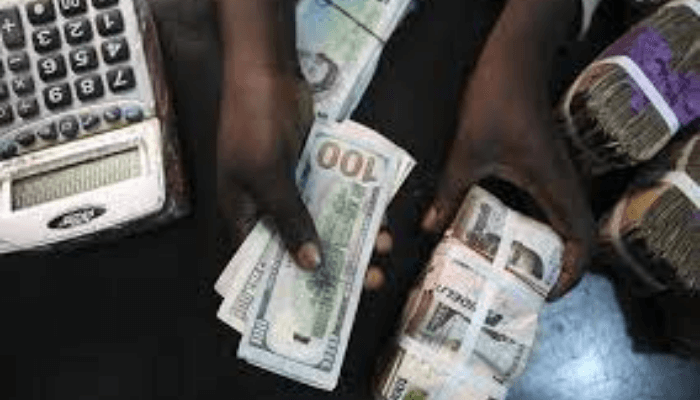
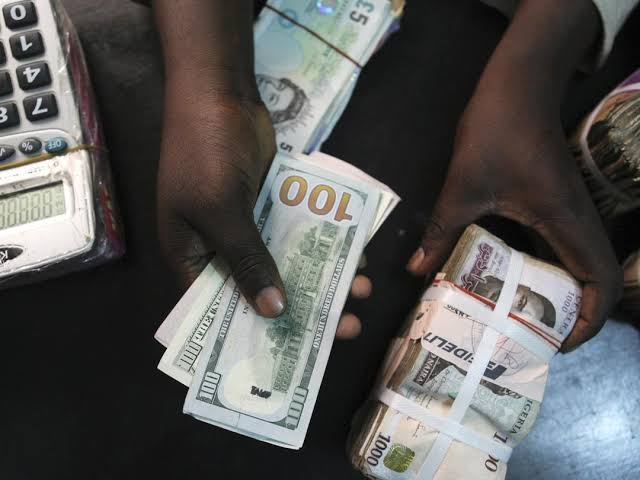
On the streets, the Naira exchanged for an average of ₦1,468 to the Dollar. Dealers reported steady demand, with Thursday’s figure staying close to levels recorded earlier in the week. The margin between official and parallel rates remains far narrower than in previous years.
The stability comes at a time when several economic indicators appear to be turning in Nigeria’s favour. The Naira has gradually strengthened since the adoption of the EFEMS framework last year, recovering from the severe pressures of 2024.
A major contributor to this trend has been a consistent slowdown in inflation. According to recent data from the National Bureau of Statistics, headline inflation eased to 16.05 per cent in October, marking the seventh straight month of decline and helping rebuild public confidence in the currency.
In late November, the Central Bank’s Monetary Policy Committee voted to retain the benchmark interest rate at 27 per cent. The decision, following a slight earlier cut, reflects the bank’s cautious approach as it aims to consolidate gains in price stability and exchange rate management.
Looking ahead, market sentiment remains measured but positive. Foreign portfolio inflows have steadied, lifting external reserves to about $44.66 billion. Meanwhile, both businesses and individuals are preparing for new cash withdrawal limits set to take effect on January 1, 2026. The tighter controls, designed to curb illicit financial activity and reduce the cost of cash handling, are expected to encourage greater use of electronic payment systems and potentially support the Naira’s long-term performance.