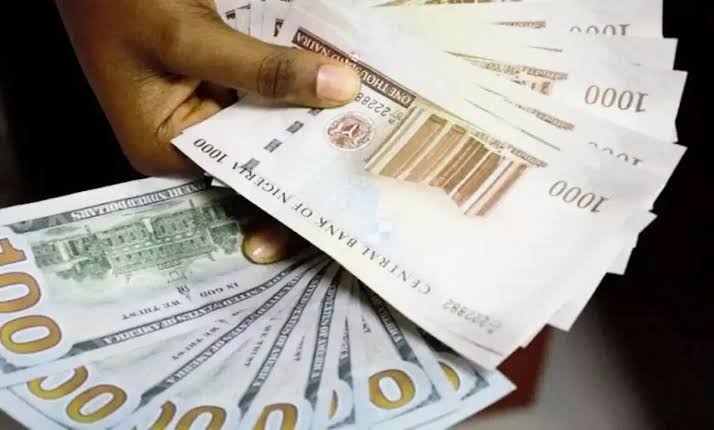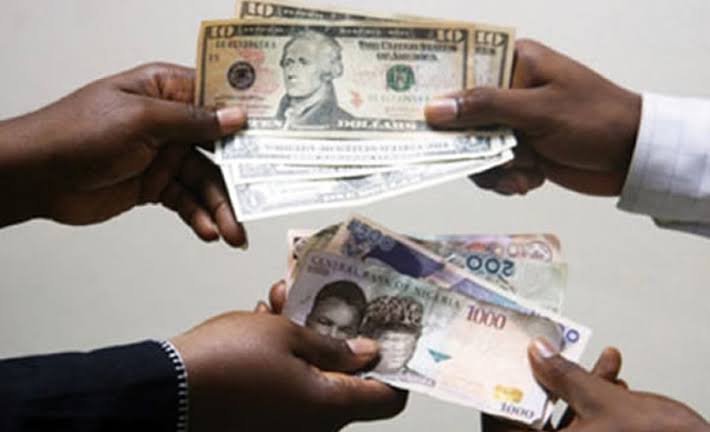

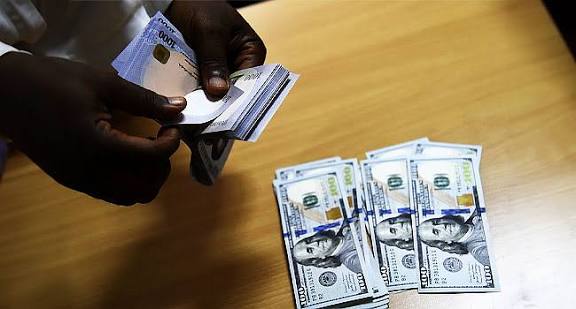
The Nigerian naira began the first full trading Friday of 2026 on a calm note, holding relatively stable across both the official and informal foreign exchange markets as investors and analysts assess early-year trends.
In the official Nigerian Foreign Exchange Market (NFEM), the local currency traded steadily against the United States dollar. Data available as of the morning of January 2, 2026, showed the naira quoted at 1,446.62 to the dollar.
The performance extends a gradual recovery recorded over the past year. On the official window, the naira has appreciated by about 6.43 per cent in the last 12 months, rebounding from the record lows of around 1,717.50 per dollar seen in late 2024. Market operators note that liquidity conditions are improving as the holiday slowdown ends and corporate demand for foreign exchange begins to return.
In the parallel market, trading continued at a premium to the official rate, reflecting typical retail-driven demand at the start of the year. Bureau de Change operators reported rates slightly above the NFEM level, though the gap between the two markets has narrowed compared with previous years.
Analysts attribute the reduced spread to greater transparency at the official window and sustained interventions by the Central Bank of Nigeria aimed at improving price discovery and reducing distortions between market segments.
Looking ahead, several factors are expected to shape exchange rate movements in the opening weeks of 2026. Nigeria’s foreign reserves remain at levels considered adequate to cushion short-term volatility, while oil output and global crude prices continue to provide crucial foreign exchange inflows. Attention is also turning to the first Monetary Policy Committee meeting of the year, where signals on interest rates and inflation management are expected.
For now, market watchers expect limited volatility in the short term, with clearer direction likely to emerge as full business activity resumes and first-quarter economic data begin to filter into the market.