

By Felix Timothy
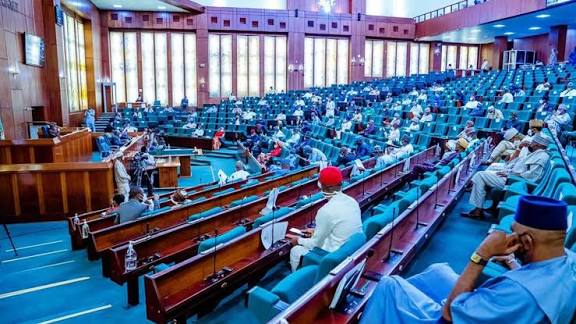
The House of Representatives has urged the Nigerian Correctional Service to introduce large-scale farming programmes across correctional centres in the country as part of efforts to improve inmates’ nutrition and promote rehabilitation through agricultural skills.
The resolution followed the adoption of a motion moved by Hon. Folorunsho Adegbesan, representing Ijebu North/Ijebu East/Waterside Federal Constituency of Ogun State, during Wednesday’s plenary session.
Presenting the motion, Adegbesan noted that the quality and quantity of food served in many correctional facilities across Africa fall below acceptable standards, often resulting in malnutrition among inmates. He said several courts on the continent have criticised these conditions, describing them as “cruel, inhumane, and degrading.”
Citing global data, the lawmaker revealed that around 11 million people are held in correctional centres worldwide, with Nigeria accounting for 84,741 inmates — 82,821 males and 1,920 females.
He added that correctional institutions in other parts of the world have introduced sustainable food programmes aimed at improving the nutritional intake of inmates while equipping them with agricultural and vocational skills.
According to Adegbesan, a World Health Organisation (WHO) report established that diet plays a vital role in both physical and mental health, and is central to successful rehabilitation and reintegration after imprisonment.
“Food sustainability initiatives in correctional centres can ensure that inmates have access to nutritious meals while learning valuable agricultural and entrepreneurial skills,” he said. “Such programmes will enhance food security, improve public health, and promote sustainable farming practices within and outside correctional facilities.”
Adegbesan emphasised that prison farming could reduce the financial burden of food procurement for correctional services while transforming inmates into productive citizens capable of contributing to national development upon release.
The House subsequently mandated its Committee on Interior to liaise with the Nigerian Correctional Service and relevant agencies to explore the feasibility of the proposal and report back with recommendations.