
Trump Eases Tariffs on Key Food Imports Amid Rising Cost-of-Living Concerns
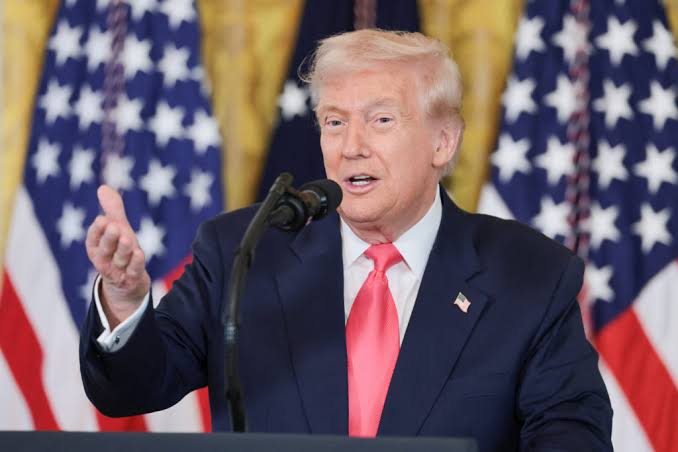
President Donald Trump has signed a new order rolling back US tariffs on several agricultural imports — including beef, bananas, coffee and tomatoes — as his administration faces mounting pressure from voters frustrated by soaring living costs.
The exemptions, which were applied retroactively and took effect on Thursday, mark a partial retreat from the administration’s “reciprocal” tariff regime introduced earlier this year. Officials said the decision was guided by factors such as the United States’ limited capacity to produce certain goods domestically. Other existing tariffs, however, will remain unchanged.
The move comes as affordability concerns emerge as a defining political issue. Democrats swept recent high-profile elections in New York City, New Jersey and Virginia, with campaigns heavily centred on cost-of-living challenges. The White House has since accelerated efforts to convince voters that the economy remains on solid footing.
According to the list released Friday, the latest exemptions cover a range of produce including avocados, coconuts and pineapples — commodities that the US relies heavily on foreign suppliers to meet domestic demand. Coffee, for instance, is almost entirely imported, and prices surged by about 20 percent in both August and September, driven by tariff-related disruptions and climate shocks.
National Coffee Association president Bill Murray welcomed the relief, saying it would help “ease cost-of-living pressures for the two-thirds of American adults who rely on coffee each day” while stabilising supply chains for US businesses.
Beef prices have also climbed this year due to tighter cattle supplies, prompting further concerns about food inflation. In its announcement, the White House stressed that products not grown in the United States in meaningful quantities would now be exempt from tariff penalties.
The tariff adjustment follows trade agreements unveiled Thursday with Argentina, Guatemala, Ecuador and El Salvador — deals under which the US committed to scrapping reciprocal levies on goods it cannot produce competitively.
Since returning to office in January, Trump has reintroduced sweeping tariffs on multiple trading partners, despite warnings from economists that such measures risk fuelling inflation and slowing US growth. While headline inflation has not spiked sharply, policymakers acknowledge that tariffs have raised prices in several product categories and are expected to exert further upward pressure in the months ahead.
The administration has recently conceded that many households are feeling squeezed. “That’s something that we’re going to fix, and we’re going to fix it right away,” White House National Economic Council director Kevin Hassett said earlier this week.