

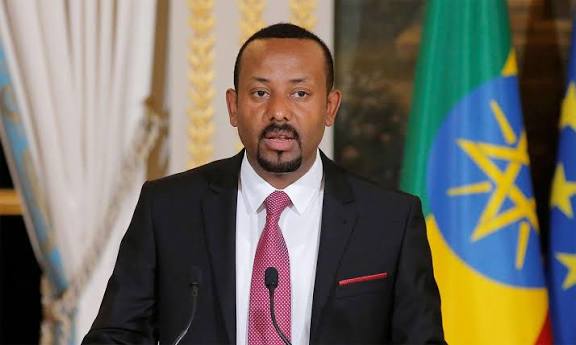
Ethiopia has been selected to host the 32nd session of the Conference of the Parties (COP32) to the United Nations Framework Convention on Climate Change (UNFCCC) in 2027, marking the return of the global climate summit to Africa.
The decision followed a closely contested bid between Ethiopia and Nigeria, with Addis Ababa emerging as the preferred choice. Ethiopian Prime Minister Abiy Ahmed had previously described the capital as “a global city in climate ambition” during the Africa Climate Summit in September, signalling the country’s readiness to lead continental climate efforts.
Nigeria, through the Lagos State Government, had earlier expressed its preparedness to host COP32, pledging to leverage the platform to address the pressing challenges of climate change and promote sustainable urban solutions. The West African nation had positioned its bid as a continuation of Africa’s growing role in global climate dialogue, following Egypt’s successful hosting of COP27 in 2022.
Meanwhile, uncertainty continues to surround next year’s COP31, with Australia’s proposal to co-host alongside Pacific island nations facing complications due to Türkiye’s ongoing bid. Pacific leaders have voiced their preference for an Australia-Pacific presidency, insisting that any joint arrangement must hold Canberra accountable for its fossil fuel exports and ensure Pacific priorities remain central to negotiations.
If the impasse persists, Germany is expected to step in as a default host in line with UNFCCC provisions.
Confirming the decision, Richard Muyungi, Chair of the African Group of Negotiators (AGN), told AFP that African member states had unanimously endorsed Ethiopia as the continent’s representative host for COP32.
“The AGN has endorsed Ethiopia,” Muyungi said, adding that the decision was finalised during a recent regional meeting.
An African negotiator familiar with the process disclosed that Nigeria’s chances weakened after it failed to formally reaffirm its interest when the matter was revisited at the AGN meeting.
Brazil’s COP30 presidency has also confirmed Ethiopia’s selection, though a formal endorsement by all UNFCCC parties is still required before the conclusion of the ongoing climate conference on November 21. The approval, however, is widely regarded as a procedural formality.