
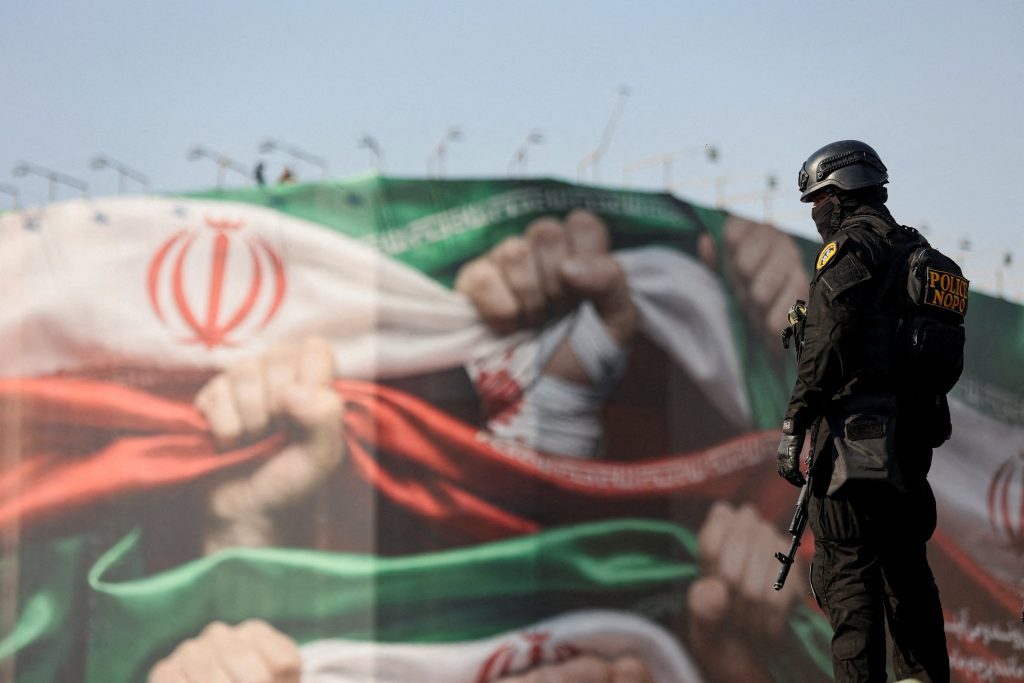
Iranians were able to place international phone calls on Tuesday for the first time in several days, following a partial easing of communication restrictions imposed during a nationwide security crackdown on protests that activists say have claimed hundreds of lives.
The limited restoration offered a brief window into conditions inside the country after days of near-total isolation. Residents in Tehran described a tense atmosphere marked by a heavy security presence, damaged public facilities and unusually quiet streets.
According to witnesses, anti-riot police and members of the Revolutionary Guard’s Basij force were deployed at major intersections, while plainclothes officers carried out spot checks in public areas. Burned government buildings and damaged cash machines were visible in parts of the capital, though shops remained open with reduced customer activity.
While international calls resumed, text messaging services remained unavailable and internet access was largely restricted to government-approved local websites. Several residents were able to speak with foreign media, though many expressed uncertainty about what lay ahead.
A shopkeeper in central Tehran said conversations among customers centred on international reactions to the unrest, particularly comments by United States President Donald Trump, who has warned that military action remains an option to protect peaceful protesters. A taxi driver echoed similar concerns, noting that frustration and determination were still widespread, especially among young people.
Security agencies were also reported to be searching for satellite internet equipment, including Starlink terminals, as authorities intensified enforcement against unauthorised communications devices.
State-linked media reported that Supreme Leader Ayatollah Ali Khamenei praised recent pro-government demonstrations, describing them as a message to foreign powers. Chants critical of the United States and Israel were aired on state television, while Iran’s attorney general warned that protesters could face severe legal consequences.
Iran’s Foreign Minister, Abbas Araghchi, confirmed that communication channels remain open with Washington through U.S. envoy Steve Witkoff, though he said American proposals and threats were unacceptable to Tehran. The White House, however, said private messages from Iran differ from its public stance, stressing that diplomatic options remain under consideration alongside military ones.
On Monday, President Trump announced immediate 25 per cent tariffs on countries trading with Iran, describing the move as part of efforts to pressure Tehran over its handling of the protests. Iran’s parliamentary leadership responded by warning that U.S. and Israeli forces would be considered legitimate targets if military action is taken.
Rights groups report that more than 10,000 people have been detained since protests began in late December, with hundreds reportedly killed. With internet access still largely restricted, independent verification of casualty figures remains difficult, and Iranian authorities have yet to publish official nationwide data.