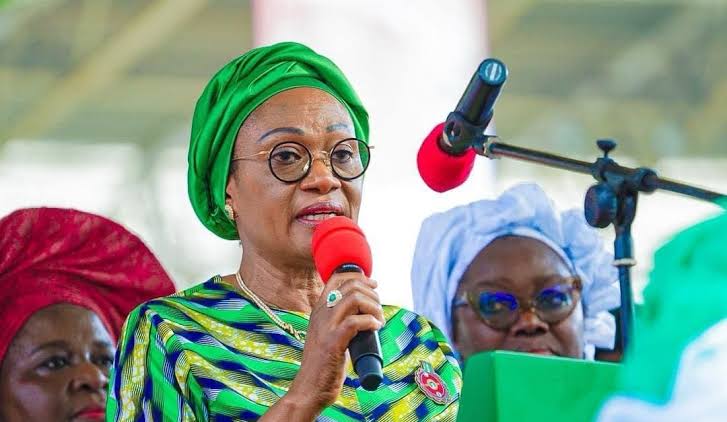

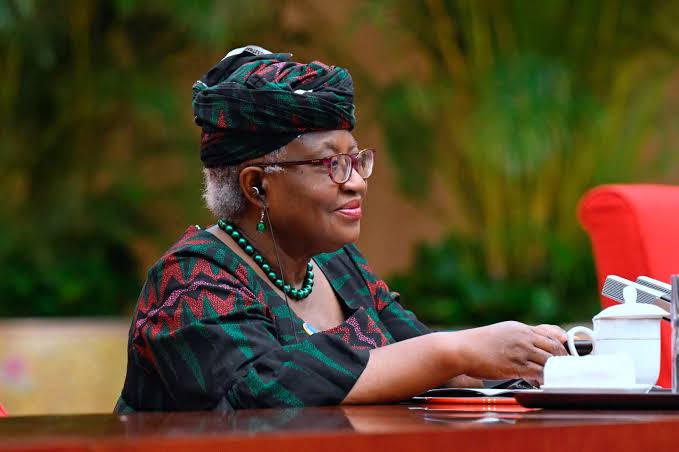
Nigeria-born economist and Director-General of the World Trade Organisation, Dr Ngozi Okonjo-Iweala, has raised fresh concerns over the high cost of trading within Africa, warning that the continent is losing ground to more efficient international markets.
Speaking recently, Okonjo-Iweala noted that it remains 20 per cent more expensive for African nations to trade with one another than with partners outside the continent — a disparity she described as a serious obstacle to economic integration. Her remarks, she said, should serve as a wake-up call to African leaders and institutions.
The African Continental Free Trade Area (AfCFTA) was set up to dismantle barriers, harmonise markets and stimulate industrial development. Yet, almost three years after its launch, intra-African trade continues to suffer from high logistics costs, poor infrastructure and persistent administrative bottlenecks. “We need to bring our average costs down,” Okonjo-Iweala said during an interview with Christiane Amanpour.
She stressed that these costs are not mere statistics but real impediments that stifle small enterprises, restrict women-led businesses and weaken Africa’s competitiveness. Without strategic reforms, she warned, the continent risks sidelining its own economic potential while foreign markets reap the benefits of smoother trade flows.
At a recent high-level dialogue co-hosted by Chile and the Republic of Korea, Okonjo-Iweala pushed for the implementation of the Investment Facilitation for Development (IFD) Agreement — a framework aimed at reducing bureaucratic hurdles, improving transparency and easing the movement of investments across developing nations.
She noted that the agreement could help attract sustainable, technology-driven investments that create jobs and support economic diversification. A study by the German Institute of Development and Sustainability estimates that the IFD Agreement could generate global welfare gains of between USD 295 billion and USD 1,041 billion, with the largest benefits going to low- and middle-income countries. Women and small-scale entrepreneurs, she added, could be major beneficiaries.
Okonjo-Iweala’s credibility rests on decades of experience in global finance and public policy. Born in Ogwashi-Uku, Delta State, she studied at Harvard University and earned a PhD in regional economics and development from MIT. She spent 25 years at the World Bank before returning to Nigeria as Finance Minister, where she negotiated a historic $30 billion debt relief package.
Since assuming leadership of the WTO in 2021 — the first woman and first African to do so — she has championed inclusive trade policies, investment reforms and resilience in global supply chains. Her work also extends to international health and development, having served on several global boards and as a special envoy on COVID-19.
“Africa’s future cannot wait,” she emphasised, urging governments and institutions to take bold steps to reduce trade barriers and unlock the continent’s economic strength.