
Commentary: A Turning Point in Nigeria’s Economic Policy
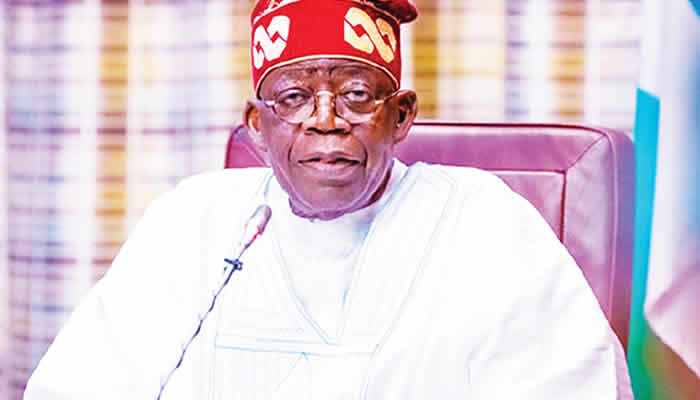
President Bola Tinubu’s suspension of the 15 per cent tariff on petrol and diesel has been described as more than a routine policy adjustment. For many observers, it represents a significant break from a long-standing pattern in which government decisions appeared to favour monopolistic interests over the needs of ordinary Nigerians.
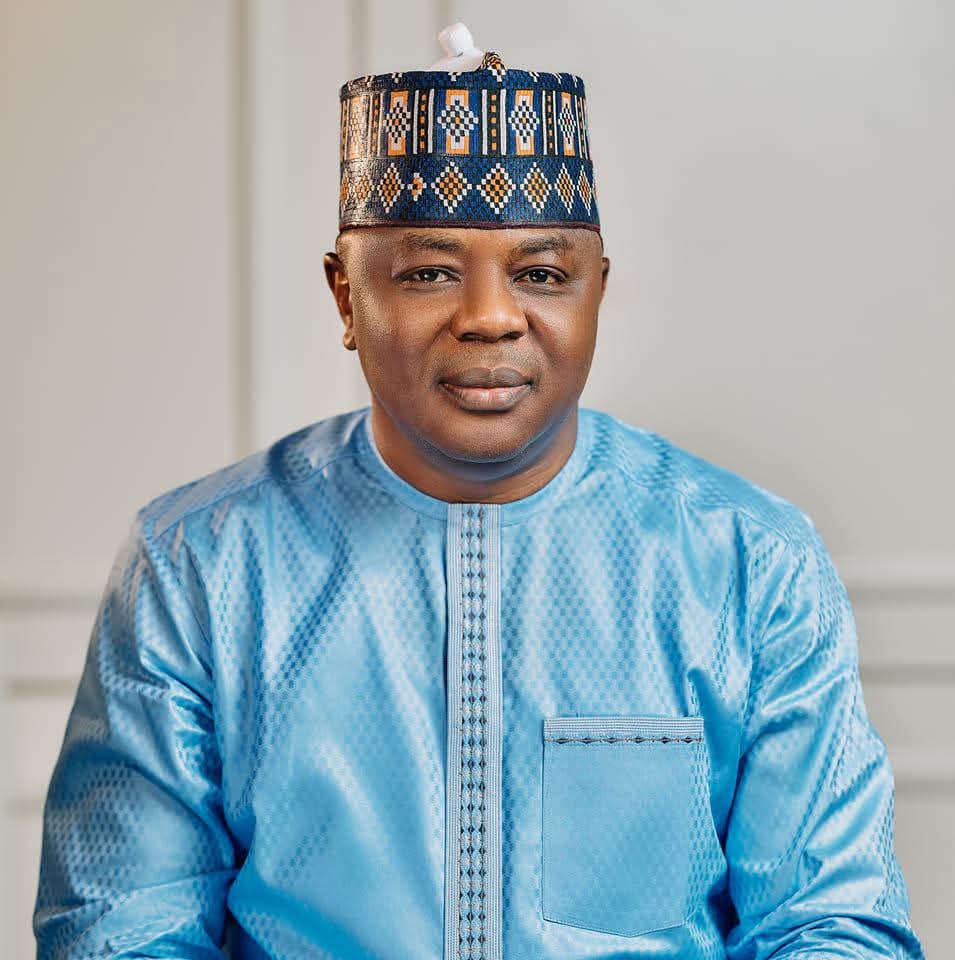
In a statement reflecting this sentiment, policy analyst and lawyer, Rotimi Matthew, argued that the President’s action marked a historic shift in governance. According to him, for the first time since Nigeria returned to democracy 26 years ago, a sitting president has resisted entrenched commercial interests and placed public welfare above the demands of powerful players in the economy.
Matthew recalled that for decades, various administrations adopted import restrictions and protective policies that effectively gave dominance to certain private entities across critical sectors such as sugar and cement. These measures, often framed as efforts to promote local content, ended up imposing higher costs on Nigerians while consolidating private monopolies.
He noted that this long history of policy capture formed the backdrop to today’s challenges, and suggested that the President’s latest decision was a departure from what had become a predictable trend.
The analyst also referenced recent public remarks in which a prominent business executive made derisive comments about the President, suggesting he was more inclined to “box” than listen. Matthew said such theatrics did little to sway the administration, noting instead that the President demonstrated that attentiveness to citizens’ concerns was a mark of strength, not weakness.
However, he cautioned that opposition to the policy reversal was still active. He alleged that certain interests were pushing for the reinstatement of the tariff under the pretext of implementing provisions of the Petroleum Industry Act. According to him, these groups were advocating a fuel market structure that could place disproportionate control in the hands of a single refinery.
Matthew posed several questions about the risks of such an approach: What happens if the refinery fails to meet demand? How would the government respond to price hikes or supply disruptions, especially in a politically sensitive period? He warned that the consequences would fall squarely on the administration.
He argued that no country secures its economic stability by relying on one supplier for an essential commodity, particularly when domestic refining capacity remains uncertain and importation is still necessary to bridge supply gaps.
Matthew acknowledged the refinery as an ambitious investment with long-term potential but insisted that it should be allowed to grow within a competitive market environment, rather than be positioned as the sole determinant of fuel pricing.
He maintained that the President’s decision to halt the tariff reflected an understanding of the economic influence wielded by powerful business interests and a willingness to prioritise public interest.
Matthew concluded by urging the President to remain firm, noting that millions of Nigerians facing economic hardship were looking to the administration for relief and stability.
God bless you. God bless the Federal Republic of Nigeria.
Rotimi Matthew is a lawyer and a policy and governance analyst based in Abuja.