
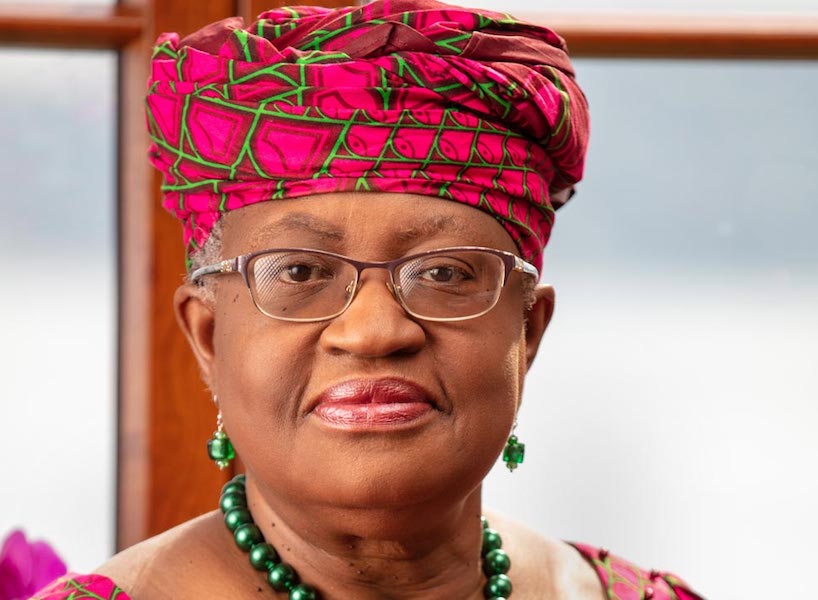
World Trade Organisation Director-General Ngozi Okonjo-Iweala has condemned the recent wave of school abductions and killings in northern Nigeria, describing the incidents as deeply distressing and personally painful.
In a message posted on X, Okonjo-Iweala said the escalating attacks have heightened concerns about the safety of children and educators nationwide. She noted that the latest kidnappings have struck a particularly emotional chord.
“As a mother, I am greatly saddened by the kidnappings in our country, particularly of our children and teachers from places of learning,” she wrote. “My heart goes out to the children and all those kidnapped and to their families living in fear and uncertainty. May those taken be found, rescued and returned safely into the arms of those who love them.”
Her comments came after a week marked by repeated assaults on schools in parts of the north. Authorities in Niger State confirmed a mass abduction on Friday at St Mary’s Catholic Primary and Secondary School in Papiri community, Agwara district. Earlier, armed men stormed Government Girls Comprehensive Secondary School in Maga, Kebbi State, seizing several female students. The school’s vice-principal was killed in the attack, according to state officials. Security agents have since launched search operations in both states.
In the wake of the latest incident, the Niger State government ordered the closure of all schools pending a full security review. Governor Mohammed Umar Bago said intelligence reports had signalled possible attacks across the region, prompting coordinated efforts by federal and state security agencies to track down the abducted students and staff.
Nigeria has grappled with school-related violence for more than a decade, beginning with the 2014 abduction of 276 girls from Chibok in Borno State by Boko Haram. Armed groups in the northwest and north-central zones have since turned kidnappings for ransom—often targeting poorly secured rural schools—into a persistent threat.
UNICEF estimates that insecurity has kept over one million children out of school in high-risk states, with many institutions lacking perimeter fencing, alert systems or adequately trained security personnel.
Federal officials say they are working with state governments to secure the release of abducted students and apprehend those responsible. Military and police units have been deployed to vulnerable communities, though authorities acknowledge that challenging terrain and decentralised criminal networks remain major obstacles.
International bodies including UNICEF and UNESCO have called for reinforced school protection measures. UN Deputy Secretary-General Amina Mohammed recently reiterated the organisation’s commitment to supporting efforts that safeguard students and teachers, stressing that education must not be derailed by violence.