
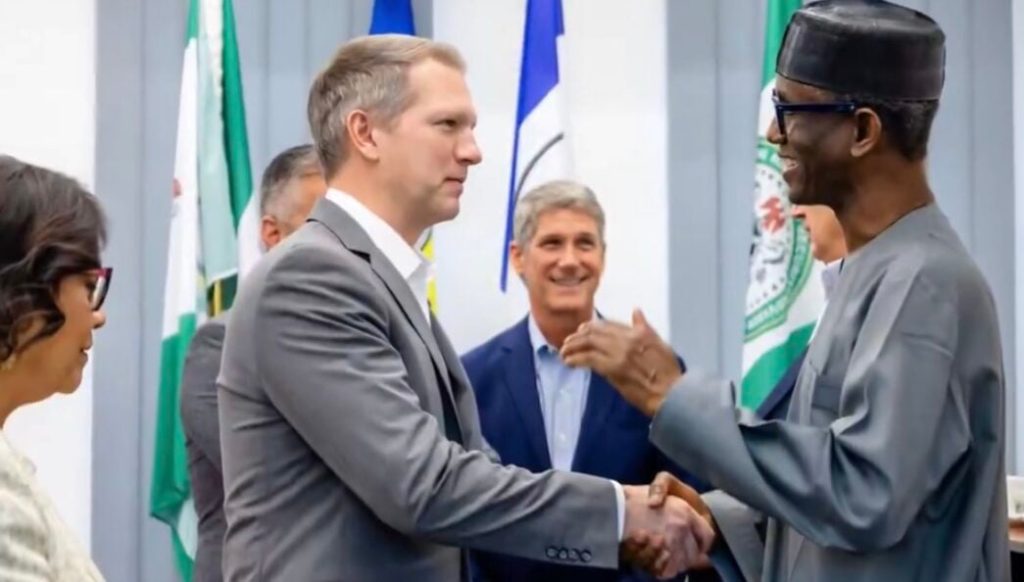
A delegation from the United States Congress has arrived in Abuja for high-level discussions with Nigeria’s National Security Adviser, Nuhu Ribadu, as both nations deepen diplomatic engagement over security cooperation and renewed scrutiny in Washington regarding alleged religious persecution in Nigeria.
Mr Ribadu confirmed the visit in a statement on Sunday, describing the lawmakers’ trip as a “fact-finding mission” that follows earlier meetings in Washington focused on shared security concerns. The delegation included Representatives Mario Díaz-Balart, Norma Torres, Scott Franklin, Juan Ciscomani, and Riley Moore. The U.S. Ambassador to Nigeria, Richard Mills, also attended the meeting, which Mr Ribadu said underscored the significance both countries place on their strategic partnership.
According to the NSA, discussions centred on counter-terrorism, regional stability, and strengthening ongoing cooperation between Abuja and Washington. “I’m optimistic this engagement will deepen trust, collaboration, and our shared commitment to peace and security,” he said.
The visit comes at a sensitive time in U.S.–Nigeria relations. In recent months, Nigeria has faced renewed calls from some American lawmakers for its redesignation as a “Country of Particular Concern” (CPC), following allegations that Christians are being systematically targeted in the country. These claims, widely circulated by some U.S. political figures and advocacy groups, formed part of the agenda during Mr Ribadu’s recent trip to Washington, where he met senior U.S. defence and security officials, including Secretary of War Pete Hegseth.
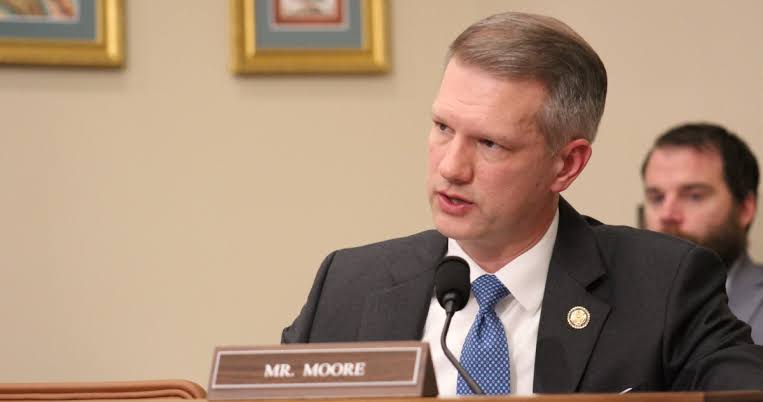
Mr Hegseth said the talks focused on “horrific violence against Christians,” adding that the U.S. was working closely with Nigerian authorities to address extremist attacks. The Nigerian delegation also met with Representative Riley Moore, a prominent voice behind the contentious “Christian genocide” narrative.
The debate, however, remains deeply polarised within the U.S. Congress. While several lawmakers — including Senator Ted Cruz and some Christian advocacy groups — have pushed for punitive action against Nigerian officials, others argue that such framing distorts the reality of Nigeria’s complex security landscape. A congressional hearing held last week reportedly reflected this divide, with lawmakers split over whether the situation constitutes religious persecution or a broader insurgency affecting both Christians and Muslims.
Researchers and media investigations have also questioned the reliability of the casualty figures used to support genocide claims, warning that some data lacks independent verification.
The Nigerian government has firmly rejected the accusations, describing them as inaccurate and unhelpful. Officials maintain that extremist groups target civilians indiscriminately and that the crisis is driven by terrorism, banditry, and communal disputes rather than state-backed religious persecution. President Bola Tinubu has reiterated that Nigeria will continue working with international partners to combat terrorism while resisting narratives that inflame sectarian tensions.
The arrival of the U.S. congressional delegation in Abuja signals Washington’s sustained interest in Nigeria’s internal security challenges. Both sides appear keen to maintain cooperation as they negotiate the next phase of their strategic relationship.