
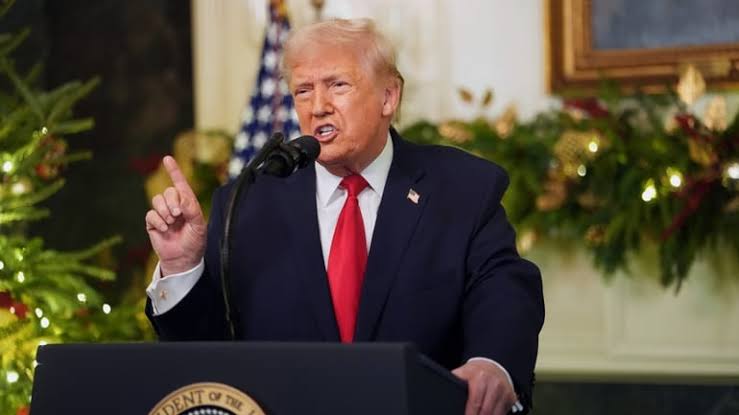
President Donald Trump is expected to sign an executive order as early as Wednesday that would reclassify marijuana under federal law, a step that would significantly loosen long-standing restrictions on the drug, according to senior administration officials.
Marijuana is currently classified by the Drug Enforcement Administration (DEA) as a Schedule I substance, a category reserved for drugs considered to have a high potential for abuse and no accepted medical use. The proposed shift to Schedule III would place marijuana among substances deemed to have a moderate to low risk of dependence and a recognised, though limited, medical value.
Officials familiar with the plan said the move would not amount to full legalisation of marijuana. Rather, it would acknowledge that the current classification has hampered scientific research into the drug’s safety, efficacy and potential therapeutic benefits.
The expected order is also likely to state that years of delay in revising marijuana’s status have not served Americans who could benefit from its possible medical applications, including in the treatment of chronic pain and other health conditions.
Speaking earlier this week, Trump confirmed that his administration was seriously weighing the decision, stressing that reclassification could open the door to expanded research.
“Because a lot of people want to see it, the reclassification, because it leads to tremendous amounts of research that can’t be done unless you reclassify. So we are looking at that very strongly,” he said.
Speculation about a policy shift first surfaced in August, when reports indicated that the administration was reviewing marijuana’s federal status. Trump later described the issue as complex but said he had become more interested after hearing positive reports about the medical use of marijuana.
If implemented, the move would mark one of the most significant changes to federal marijuana policy in decades, potentially reshaping research, regulation and enforcement across the country.