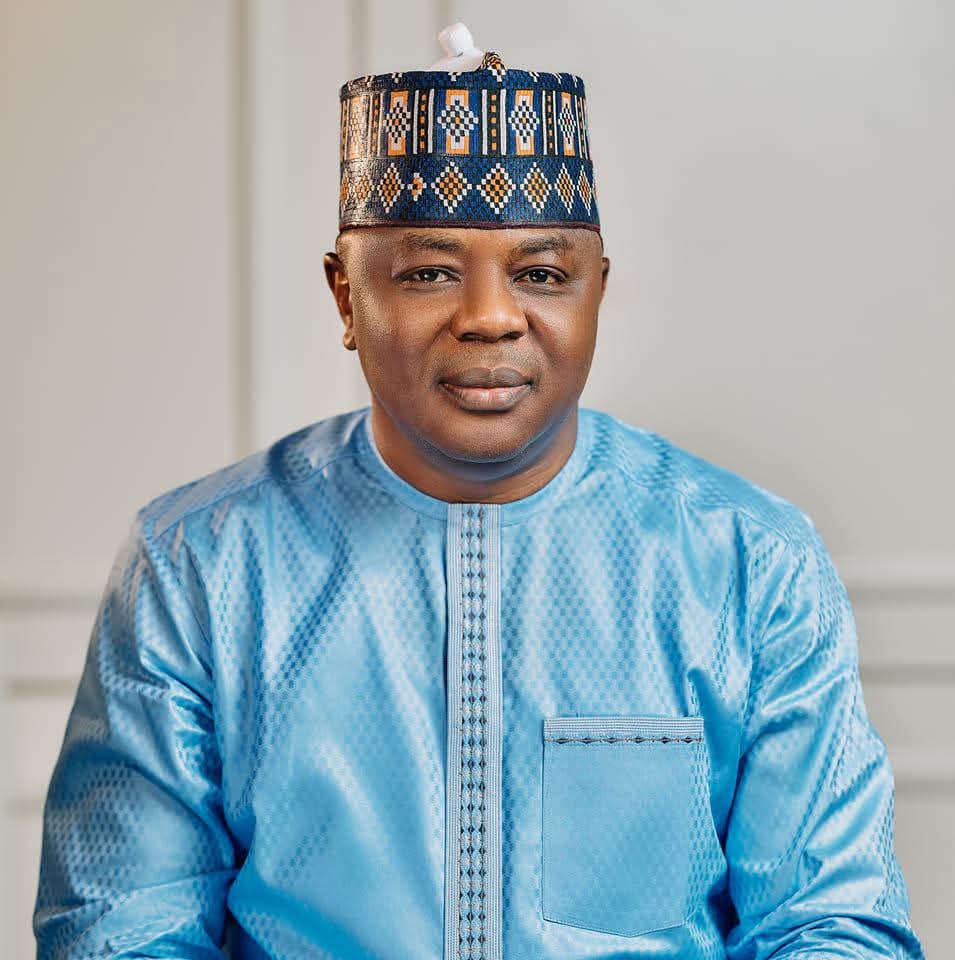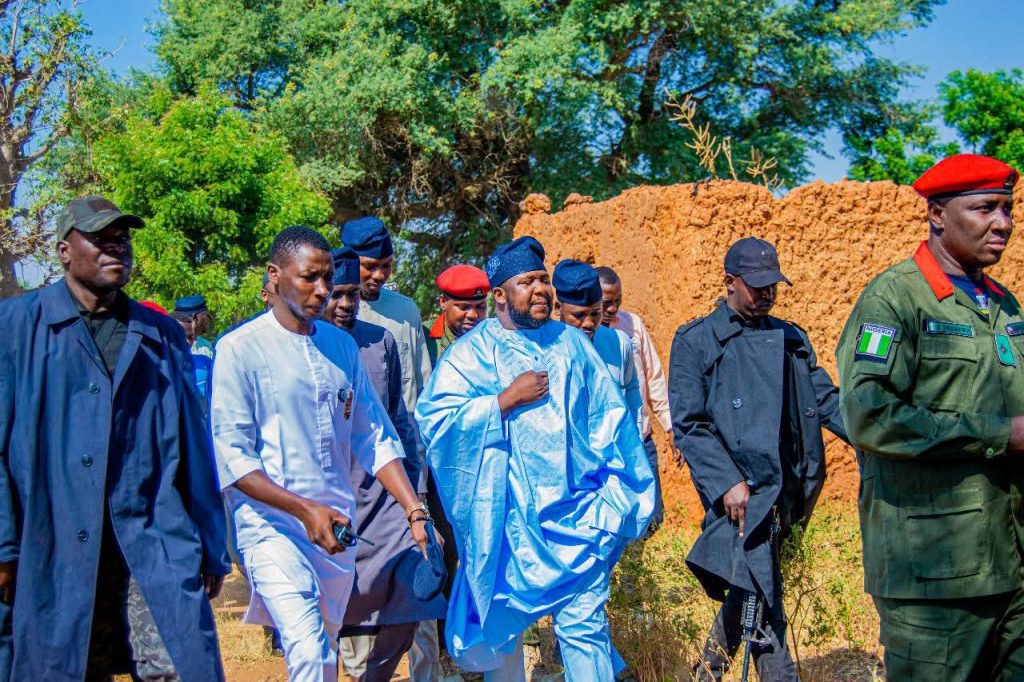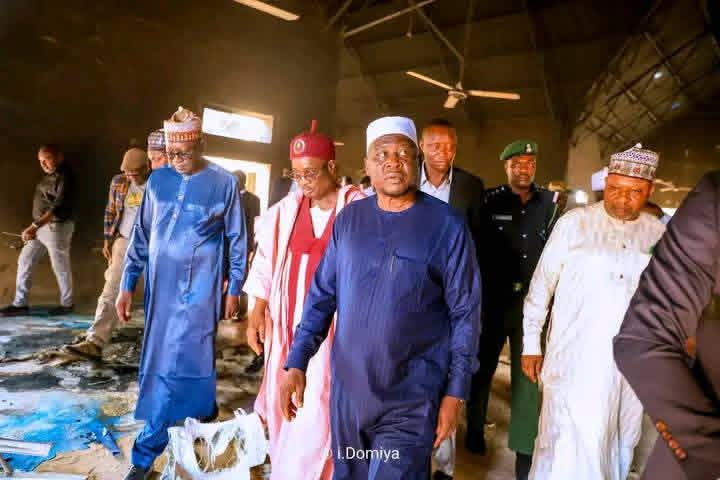

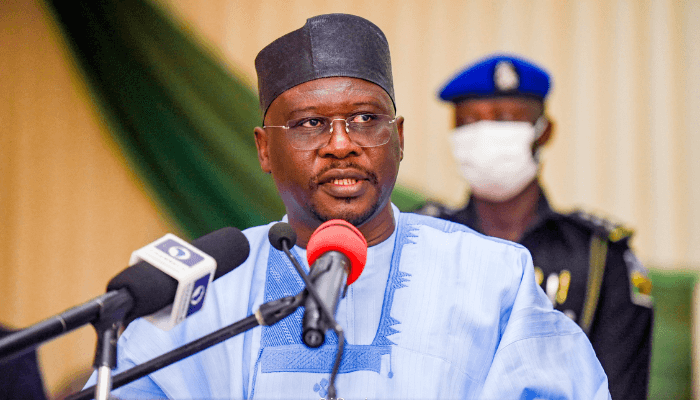
In an era where many political actors are already preoccupied with permutations, alignments and the next election cycle, Governor Ahmadu Umaru Fintiri of Adamawa State appears to be charting a different course altogether. Rather than slowing down, he has intensified governance, burying his head in work with a singular conviction: that every remaining minute in office must count for the people.
There is a growing consensus across Adamawa that governance under Fintiri has become a race against time — not for political survival, but for service delivery. Just when citizens believe they have seen the height of infrastructural development, another project emerges, often more ambitious, more impactful, and more widely spread than the last. What many once thought impossible has steadily become routine.
Across villages, towns, and local government areas, the story is the same: visible, touchable dividends of democracy. Roads now connect communities that were once isolated. Schools have been rebuilt or newly constructed. Health facilities that once existed only in name are now functional. Water flows where scarcity once defined daily life.
Infrastructure development remains one of the most striking features of Fintiri’s administration. Major road networks within Yola and across the state have been constructed and rehabilitated, including extensive housing estate roads, rural access roads, and inter-community links that have significantly reduced travel time and boosted local commerce. Strategic roads serving military formations, public institutions, and residential areas have also been completed, enhancing both mobility and security.
Education has received unprecedented attention. The construction of model basic education schools across all local government areas has redefined the learning environment for thousands of children. The policy of free and compulsory primary and secondary education has removed financial barriers for families and driven school enrollment to new heights. Investments in tertiary institutions, vocational training, and digital testing facilities reflect a deliberate effort to prepare Adamawa’s youth for a competitive future.
Healthcare delivery has also witnessed steady transformation. Cottage hospitals have been upgraded and commissioned in several communities, bringing quality medical care closer to the grassroots. Primary healthcare centres have been rehabilitated, equipped, and staffed, while water and sanitation projects have complemented health interventions by addressing preventable diseases at their roots.
Water supply projects, particularly industrial boreholes spread across the 21 local government areas, have eased the daily burden on women and children and improved public health outcomes. These interventions have quietly but profoundly altered rural life.
Beyond physical infrastructure, the administration has pursued people-centered empowerment. Through business support schemes, women and youth empowerment programmes, skills acquisition initiatives, and conditional cash transfers, thousands have been supported to become economically active and self-reliant. Scholarships and overseas training opportunities have further expanded human capital development.
Governance reforms and digital innovation have equally defined the Fintiri years. The gradual integration of technology into public service delivery has improved transparency, efficiency, and accountability. These efforts have not gone unnoticed, earning the state national recognition in digital governance and infrastructure performance.
What perhaps distinguishes Governor Fintiri most is the spread of development. Projects are not concentrated in the capital alone. They cut across senatorial zones, local governments, and wards. From urban centres to remote villages, the administration’s footprint is evident, reinforcing a sense of inclusion and fairness in governance.
Observers note that while political conversations rage elsewhere, Fintiri has remained visibly focused on execution. His style suggests a belief that leadership is best measured not by noise, but by results — not by promises, but by what the people can see, use, and benefit from.
As his tenure progresses, one fact has become increasingly difficult to dispute: under Governor Ahmadu Umaru Fintiri, Adamawa State has experienced a phase of governance that consistently exceeds public expectation. Development has moved beyond imagination, and delivery has outpaced rhetoric.
In a political climate often defined by distractions, Fintiri’s legacy appears to be taking shape in concrete, classrooms, clinics, roads, and revitalized communities — silent yet powerful reminders that leadership, when taken seriously, can truly transform lives.