
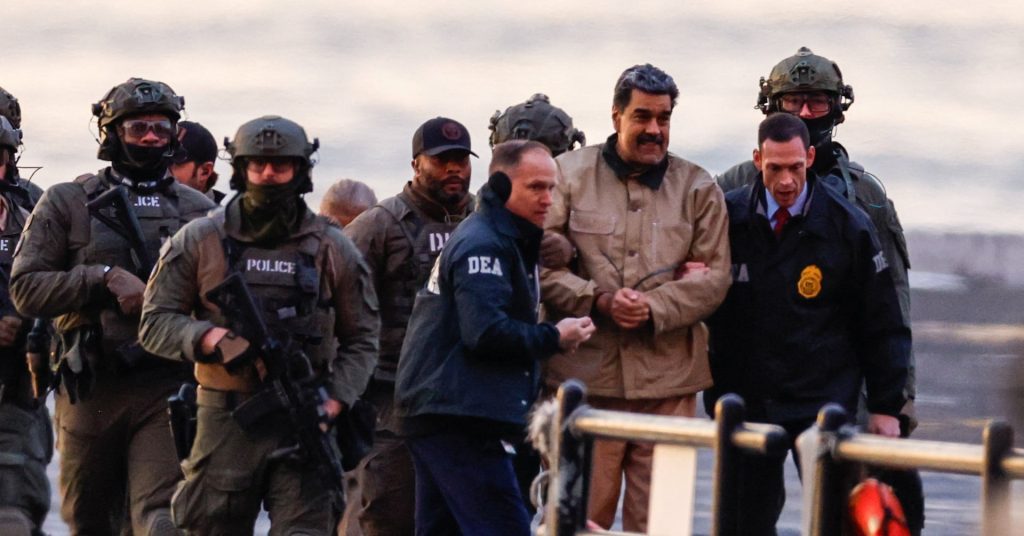
Deposed Venezuelan leader Nicolas Maduro on Monday entered a not-guilty plea to charges of narco-terrorism before a federal court in New York, days after his arrest in a dramatic United States operation in Caracas.
Appearing before a judge in Manhattan, the 63-year-old former president claimed he had been forcibly taken from Venezuela, telling the court he was innocent and insisting he remained the legitimate leader of his country, according to US media reports. His wife, Cilia Flores, also pleaded not guilty to related charges.
Maduro’s court appearance followed a surprise US operation carried out in the early hours of Saturday, when American forces seized him from his residence in Caracas. The operation, backed by significant air and naval assets, has sparked international controversy and sharp diplomatic reactions.
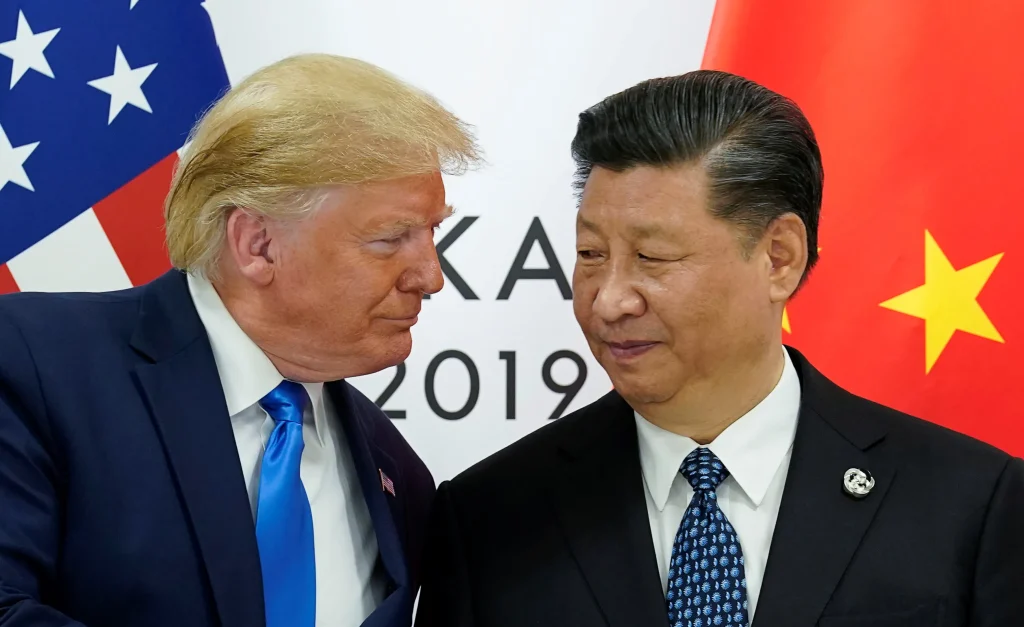
Over the weekend, President Donald Trump announced that the United States had effectively taken control of Venezuela’s political direction, saying Washington intended to oversee the country’s reconstruction and revive its vast but deteriorated oil sector.
The move drew swift criticism from global leaders. United Nations Secretary-General Antonio Guterres, addressing an emergency meeting of the UN Security Council, called for respect for national sovereignty and territorial integrity. Mexico’s President Claudia Sheinbaum said the Americas did not belong to any single power, while Colombia’s President Gustavo Petro issued a strongly worded statement condemning US actions.
Maduro came to power in 2013 after the death of long-time socialist leader Hugo Chavez. His presidency has been marred by allegations from the United States and the European Union of election manipulation, political repression and widespread corruption, accusations his supporters have consistently rejected.
His removal has thrown Venezuela, home to about 30 million people, into a new period of uncertainty after more than two decades of leftist rule. Supporters of Maduro rallied in Caracas on Sunday, with demonstrators waving national flags and chanting in his support. Lawmakers loyal to him also voiced backing in parliament on Monday.
Despite the upheaval, the Trump administration has indicated it prefers continuity within Venezuela’s governing structure, provided remaining officials cooperate with US demands. Interim leader Delcy Rodriguez, formerly Maduro’s vice president, softened her earlier defiance, signalling readiness to engage with Washington.
President Trump has openly linked US involvement to Venezuela’s oil wealth, saying the United States needed broad access to resources to rebuild the country. Venezuela holds the world’s largest proven oil reserves, though years of sanctions and neglect have left production facilities in poor condition. Shares of major US oil companies rose following the announcement.
The developments come as Trump adopts an increasingly assertive foreign policy stance, making pointed remarks about other countries in the region and hinting at further action if necessary. While no US ground troops are believed to be stationed in Venezuela, a substantial American naval presence has been reported in the Caribbean, alongside warnings of economic and military pressure.
Details of the Caracas operation were still emerging, with Cuba claiming fatalities among its nationals. US officials confirmed that no American personnel were killed, though some sustained injuries.
Outside the New York courthouse, demonstrators expressed sharply divided views. Some protesters denounced US intervention and called for respect for Venezuelan self-determination. Others, including members of the Venezuelan diaspora, welcomed Maduro’s downfall, describing it as long overdue and praising the US action.
As legal proceedings begin, the case has deepened global debate over sovereignty, intervention and the future of Venezuela’s political and economic direction.