
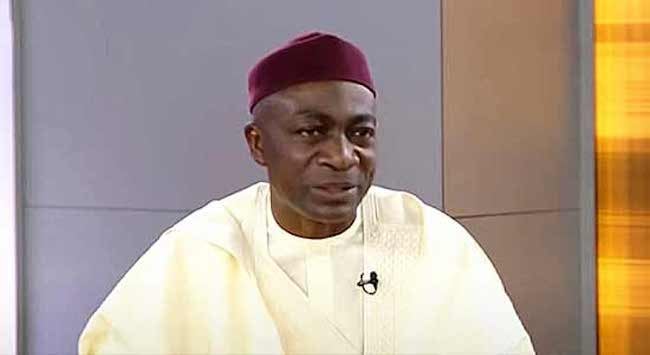
Senate spokesperson Yemi Adaramodu has refuted widespread suggestions that the Federal Government paid ransom to secure the release of schoolchildren abducted in Kebbi and Niger states. His remarks follow rising public speculation over the nature of recent rescue operations.
Speaking in an interview on Friday, Adaramodu maintained that no financial settlement was made to any armed group. His position contrasts with an earlier confirmation from Bayo Onanuga, Special Adviser on Information and Strategy to President Bola Tinubu, who acknowledged that security operatives had engaged in communication with bandits involved in the Kwara kidnapping case.
Adaramodu, who represents Ekiti South, said that such contact does not automatically suggest ransom payment. According to him, negotiations can take different forms, and security forces are under no obligation to disclose sensitive operational details.
“From our side at the National Assembly, we believe the Federal Government did not pay any ransom. If there is any contact with the bandits, it can be forceful, persuasive, or a mix of both,” he said.
His comments come as Nigeria faces renewed concerns over student abductions and the transparency of rescue missions. Civil society groups have long argued that unclear communication from security agencies encourages speculation, especially when victims are returned without evidence of confrontation or arrests.
Addressing questions over the absence of images showing captured kidnappers, Adaramodu cautioned against drawing conclusions. He said abductors often abandon hostages when they sense security forces closing in.
“If you have not seen corpses or suspects in handcuffs, that does not rule out confrontation,” he said. “When criminals detect superior firepower, they flee and leave the victims behind.”
The Senate, he added, has set up an ad-hoc committee to probe the Kebbi school attack. Early reports from state authorities and security agencies suggest that soldiers assigned to the school had left their post shortly before the attackers arrived.
The panel will also review the circumstances surrounding the death of Brigadier General Musa Uba, a key figure in anti-banditry operations, whose passing has heightened concerns over operational lapses within the military.
Adaramodu emphasised that while the National Assembly will continue to demand accountability, security agencies cannot be expected to share tactical intelligence publicly.
“Their mandate is to rescue victims safely. How they carry that out is not something to be broadcast,” he said.
He assured citizens that the Senate remains committed to supporting national security efforts and backing agencies working to restore safety across the country.