
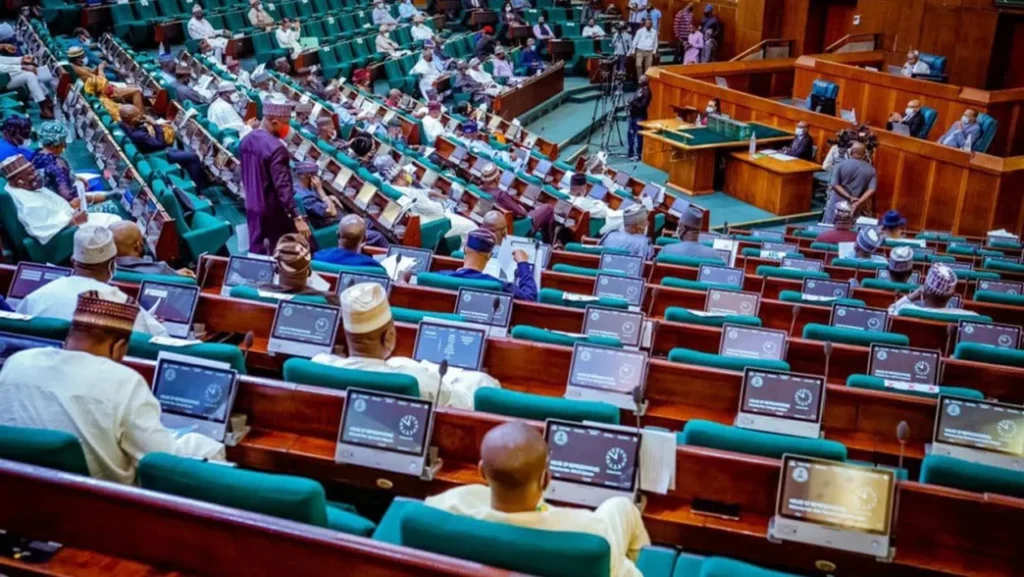
The House of Representatives Committee on Host Communities has reaffirmed its resolve to ensure that oil-producing communities across the country fully benefit from petroleum operations in line with the Petroleum Industry Act (PIA).
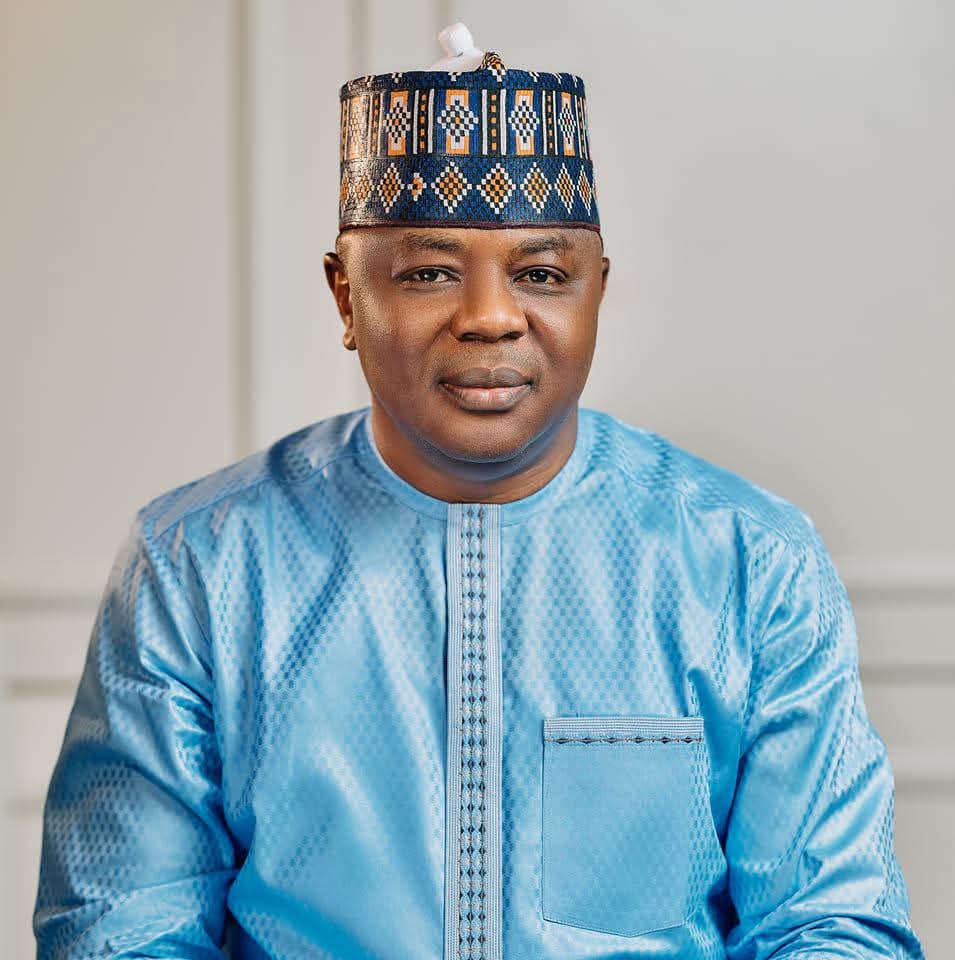
Speaking to noblequestdaily the chairman of the committee said the panel was established as a deliberate legislative response to decades of neglect, environmental damage and socio-economic hardship experienced by host communities in Nigeria’s oil-producing regions.
He explained that the committee was created during the Ninth National Assembly following concerns by the House leadership over the difficult living conditions in many oil-bearing areas.
According to him, the then Speaker of the House, now Chief of Staff to the President, Femi Gbajabiamila, acknowledged the widespread poverty, health challenges and loss of lives prevalent in these communities, prompting the creation of a standing committee dedicated to addressing their unique problems.
The lawmaker added that the committee was retained in the 10th Assembly by the current Speaker, Dr Tajudeen Abbas, in recognition of its increasing relevance and its role in managing relations between host communities and oil companies.
He said the primary objective of the committee is to address long-standing injustices and deprivation suffered by oil-producing communities, noting that its mandate covers oversight of all funds meant for such areas. These include the 13 per cent derivation fund, the Host Communities Development Trusts (HCDTs) provided for under the PIA, and environmental remediation initiatives such as the Hydrocarbon Pollution Remediation Project (HYPREP).
The chairman said the committee is tasked with safeguarding the rights and welfare of oil-producing communities, monitoring agreements between host communities and oil firms, overseeing the use of derivation funds, encouraging youth development, and handling petitions and complaints from affected communities.
On the PIA, he described the transition from voluntary Memoranda of Understanding to a legally binding framework as a significant achievement. He noted that the requirement for oil companies to contribute three per cent of their operating expenditure from the previous year to host communities marked a major shift and has become a catalyst for development in oil-producing areas.
He explained that the funds are administered through structured mechanisms such as Boards of Trustees and Host Communities Development Trusts, with projects selected based on community needs assessments. Regulatory agencies, including the Nigerian Upstream Petroleum Regulatory Commission, provide oversight alongside parliamentary supervision.
While acknowledging that disputes have emerged in some communities over the leadership and composition of the trusts, many of which are before the courts, the chairman said the committee is engaging stakeholders to ensure proper governance and to prevent communities from being short-changed.
He pointed to the Obagi Host Community Development Trust in Rivers State, where TotalEnergies operates, as an example of effective implementation of the PIA, citing projects such as health centres, schools, ICT facilities, road construction and income-generating initiatives, including a water bottling plant, which have improved livelihoods in the area.