
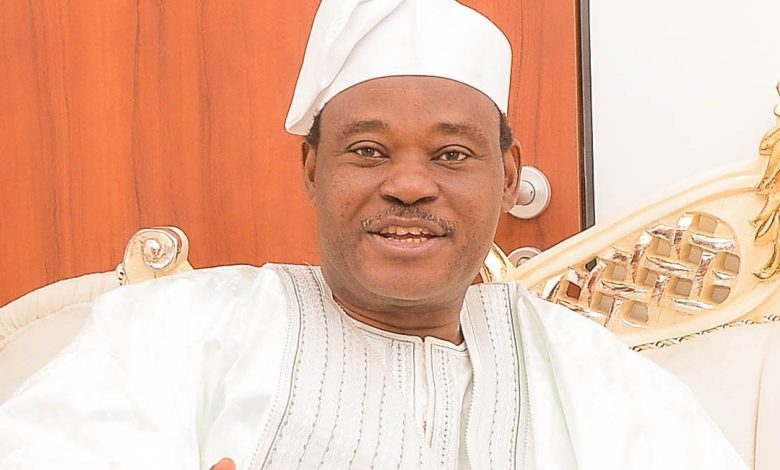
Senator Jimoh Ibrahim, representing Ondo South, has appealed to Nigerians to rally behind President Bola Tinubu’s economic and security reforms, describing them as essential to the country’s long-term growth and stability.
In a statement released on Friday, the senator emphasised that the administration’s policies—aimed at restructuring the economy and strengthening national security—require broad public support to achieve meaningful results.
Referencing historical global trends, Ibrahim noted that the United States has engaged in 469 military interventions since 1798, with over half occurring from 1991 to date, highlighting what he described as the necessity of strategic actions in protecting national interests.
He argued that modern challenges, from health crises to cross-border insecurity, demand cooperation and vigilance. Ibrahim commended President Tinubu’s approach, particularly efforts to secure Nigeria’s borders while driving economic reforms designed to stimulate growth.
According to him, the President’s vision is rooted in delivering improved security, economic expansion, and wider opportunities for citizens. He urged Nigerians to put national interest first during what he called “defining moments” for the country.
The senator reiterated his call for unity, insisting that patriotism and collective resolve are central to sustainable development, stronger security structures, and Nigeria’s rising influence globally. With continued support for the government’s reform programmes, he said, the country stands to strengthen its defence systems, expand its economy, and assert itself on the world stage.
Since taking office in May 2023, the Tinubu administration has introduced sweeping economic and security measures, including the removal of petrol subsidy, exchange-rate unification, renewed investment drives, and a restructuring of the security architecture to tackle terrorism, banditry, and other threats.
While these reforms have triggered nationwide discussions and concerns over short-term economic strain, government officials maintain that the policies are vital to stabilising the economy and paving the way for future growth. Political figures like Ibrahim continue to urge patience and collective responsibility as the reforms unfold.