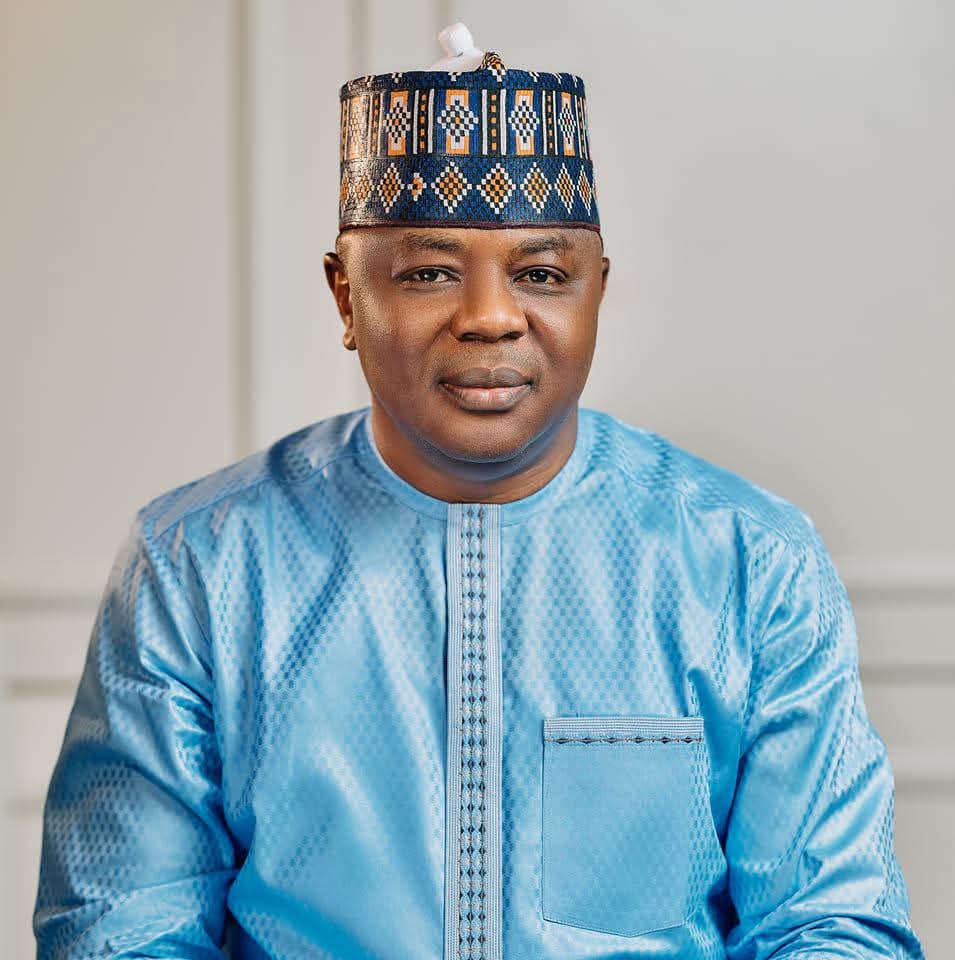

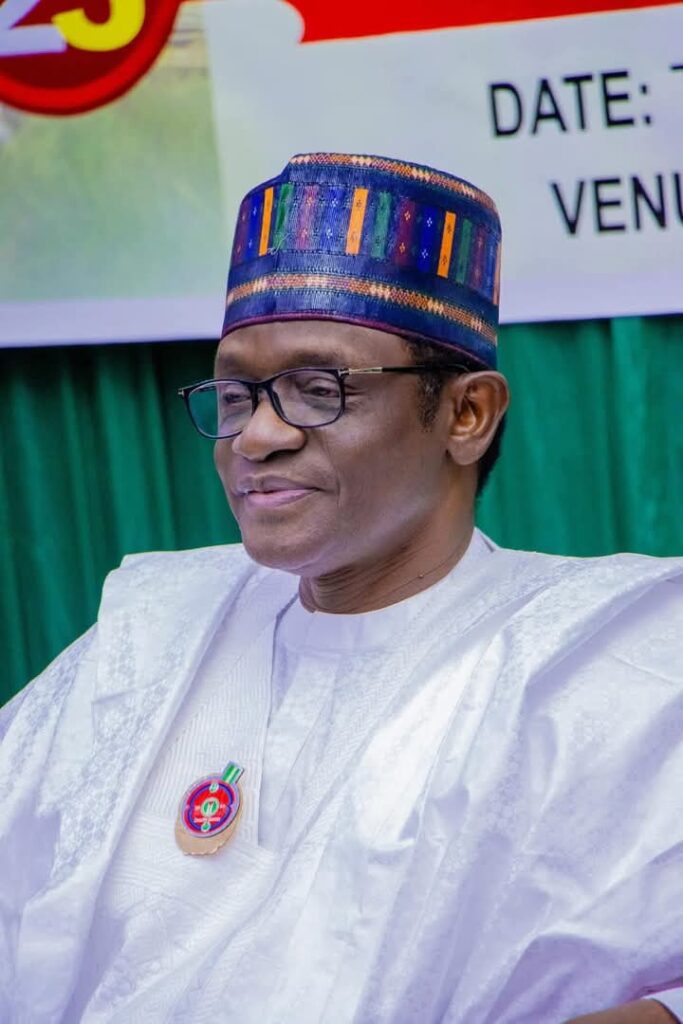
It has become necessary to set the record straight. Silence can not prevail when misleading narratives are being circulated as fact. Clarifying the truth is essential—not merely to counter falsehoods, but to assist those who may have been drawn into believing the recent wave of unfounded allegations. The achievements of Governor Mai Mala Buni CON remain visible, measurable, and consistently affirmed by independent observers.
His focus on purpose-driven, people-centered leadership has not wavered, and no amount of sensationalism can detract from his record. By every objective measure, he has proven to be a national asset whose contributions will continue to stand the test of time.
Over the past week, several media platforms have attempted to cast the administration in a negative light, centring their claims on a selective reading of budget documents and conjecture about political developments. The criticisms have largely revolved around expenditure figures and zoning debates, but a closer examination reveals distortions that fail to reflect the full context of governance operations.
One widely circulated report cited an alleged N2.8 billion allocation for sitting allowances and honorarium from January to September 2025. The figure was presented in contrast with capital expenditures in sectors such as water resources, higher education, and primary healthcare. What the reports fail to acknowledge is that such allowances encompass broad categories under government operations, including statutory responsibilities across ministries, agencies, and legislative bodies.
These are routine and legally mandated expenditures necessary to keep government functioning. Isolating one line item without explaining its institutional implications amounts to deliberate misrepresentation.
Similarly, the capital expenditure figures referenced for key sectors were presented without disclosing supplementary budget cycles, ongoing donor-funded project components, and multi-year capital projects that do not fall within the narrow window of the review period.
For example, water infrastructure development in Yobe is tied to multi-phase projects funded through both state allocations and external partnerships, much of which extends beyond the first nine months of the fiscal year. Higher education and primary healthcare projects also follow multi-year procurement and implementation cycles, making incomplete-year spending an unreliable measure of commitment or performance.
Another issue raised is the N2.1 billion allocation for vehicles in the full 2025 budget. Such allocations typically cover replacements for ageing government fleets, emergency service vehicles, and operational units that require mobility for field assignments. Budgeting for transportation assets is a standard practice across states and is not, by any reasonable assessment, an indication of misplaced priorities.
Beyond fiscal matters, certain commentaries resurfaced debates around the 2027 governorship zoning question, suggesting the Southern senatorial district had been marginalized. However, the administration’s infrastructural and social investments across the zone tell a different story. Multiple road projects, educational interventions, and economic support initiatives over the years underscore a pattern of inclusive governance. Leadership—especially at the state level—has consistently emphasized merit, equity, and continuity of development rather than sectional considerations.
The recurring claim about the governor’s alleged frequent absences from the state also fails to withstand scrutiny. Modern governance requires active engagement at both state and national levels, particularly for a state like Yobe that has benefitted significantly from federal collaborations, donor engagements, and security coordination.
Many of the advancements recorded in agriculture, housing, education, and humanitarian recovery are direct outcomes of such engagements. The attempt to portray this as neglect ignores the tangible progress evident across the state.
In the face of exaggerated narratives and politically driven commentary, what remains constant is the administration’s steady trajectory of development. Roads have been built, schools rehabilitated, healthcare facilities expanded, and economic empowerment programs implemented. Communities across the state continue to benefit from policies designed to improve livelihoods, enhance security, and strengthen institutional capacity.
While detractors may continue to circulate claims aimed at distracting public attention, the facts remain clear: Governor Mai Mala Buni has governed with purpose, consistency, and an unwavering commitment to the people. His stewardship continues to earn respect within and beyond the state, and history will record his tenure as one marked by progress and resilience.
Written by A. A. Mshelia, Public Affairs Analyst from Abuja