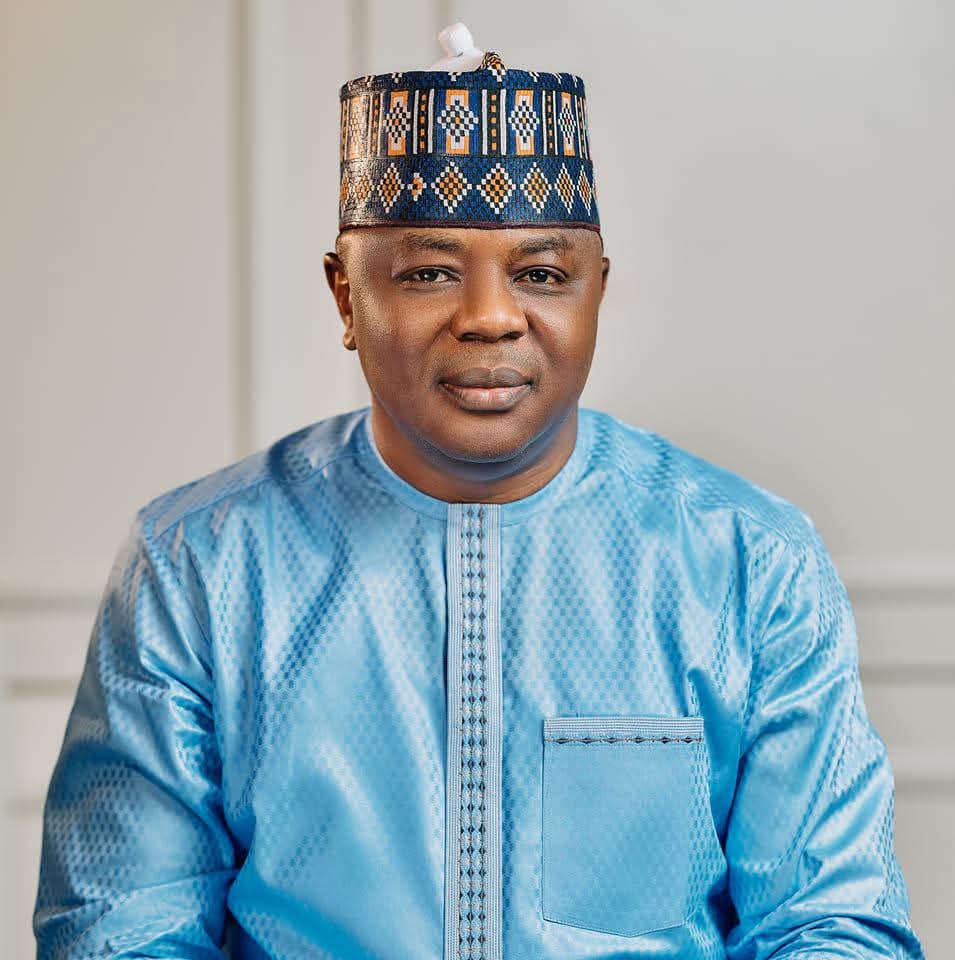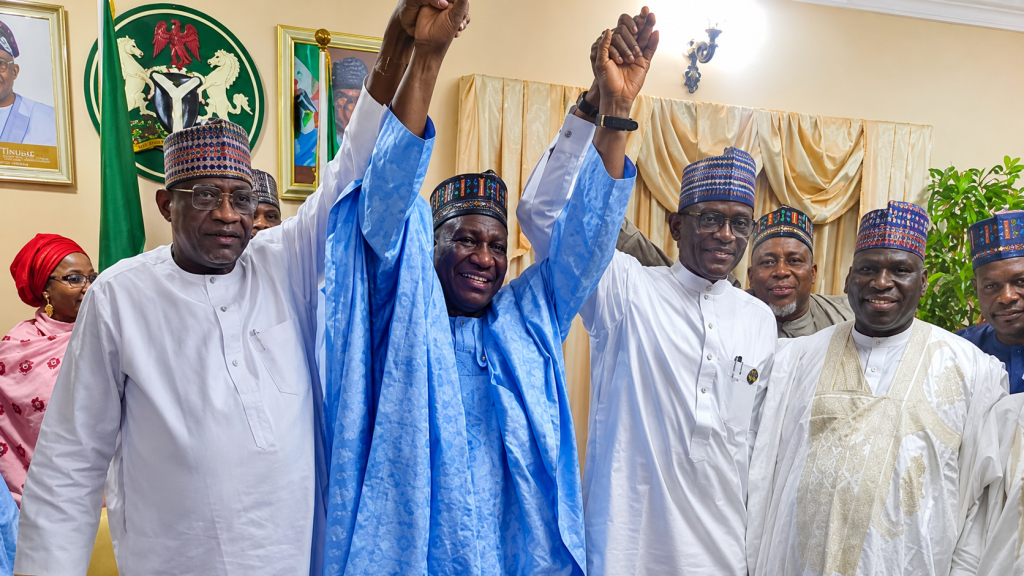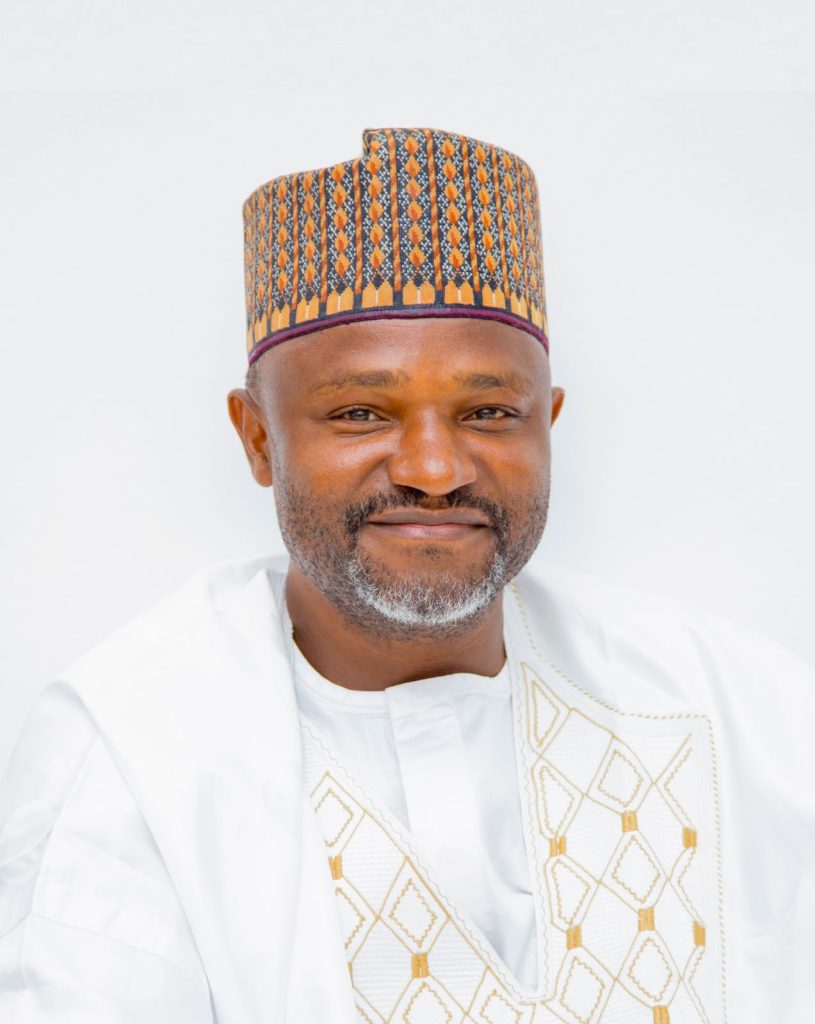


Yahaya Bello remains one of the most recognisable figures in contemporary Nigerian politics, a man whose rise, resilience and political imprint continue to draw national attention.
From the moment he emerged on the scene as a young, unexpected contender for the Kogi State governorship, Bello projected a different energy—bold, unapologetic and determined to challenge old political patterns.
His years in office and the influence he sustained afterward have positioned him as a key voice within the All Progressives Congress and a significant player in the country’s evolving political landscape.
Supporters often describe Bello as purpose-driven, pointing to his focus on youth mobilisation, infrastructural development and the push for economic reforms during his tenure. They note that his style of administration was marked by decisiveness, a strong sense of mission and an insistence on delivering visible results.
For many political observers, his tenure represented a shift in generational leadership, proving that younger politicians could command influence in territories traditionally controlled by long-standing political blocs.
Bello’s principles and loyalty have also become central to his political identity. He is widely regarded as steadfast in his alliances, often placing political camaraderie and party unity at the core of his decisions. This loyalty, coupled with his willingness to speak plainly on national issues, earned him a reputation as a consistent and sometimes fearless voice within the ruling party.
Even in moments of intense political tension, Bello maintained positions that endeared him to his supporters and reinforced his image as a leader who does not retreat under pressure.
His courage has been repeatedly tested as he navigated both political rivalries and public scrutiny. Despite controversies and the legal battles that followed his exit from office, Bello’s relevance never completely faded from national discourse. His ability to remain politically significant—even when facing formidable institutional and political headwinds—has strengthened the perception of him as a leader with uncommon resolve.
In a political environment where many fade once out of office, Bello’s continued influence underscores the depth of the networks he cultivated and the loyalty he commands among supporters.
His importance to Nigerian politics extends beyond the confines of Kogi State. Through grassroots mobilisation, strategic alliances and sustained political engagement, Bello helped shape conversations around youth participation, party organisation and regional balance within national politics.
He became a rallying point for young political aspirants and a reference figure for those advocating generational renewal. His involvement in several high-level party matters and national political debates demonstrated his ability to influence decisions at the heart of the ruling establishment.
For all his strengths, Bello’s story remains a complex one—defined by achievements and an enduring ability to shape political narratives. His supporters insist that history will remember him for his development initiatives, his discipline, and the political voice he brought to the national stage. Critics point to the allegations and legal proceedings that continue to follow him.
Yet, regardless of perspective, one fact remains clear: Yahaya Bello has carved out a space for himself in the country’s political history, one built on bold choices, unwavering loyalty and an uncommon tenacity that kept him standing when others expected him to fall.
In a landscape where political relevance can be fleeting, Bello’s continued visibility affirms his place as a figure whose journey is far from concluded. Purpose has defined his politics from the beginning, and in the eyes of many of his supporters, purpose will continue to shape his role in Nigeria’s political future.
A. A. Mshelia, Public Affairs Analyst from Abuja.