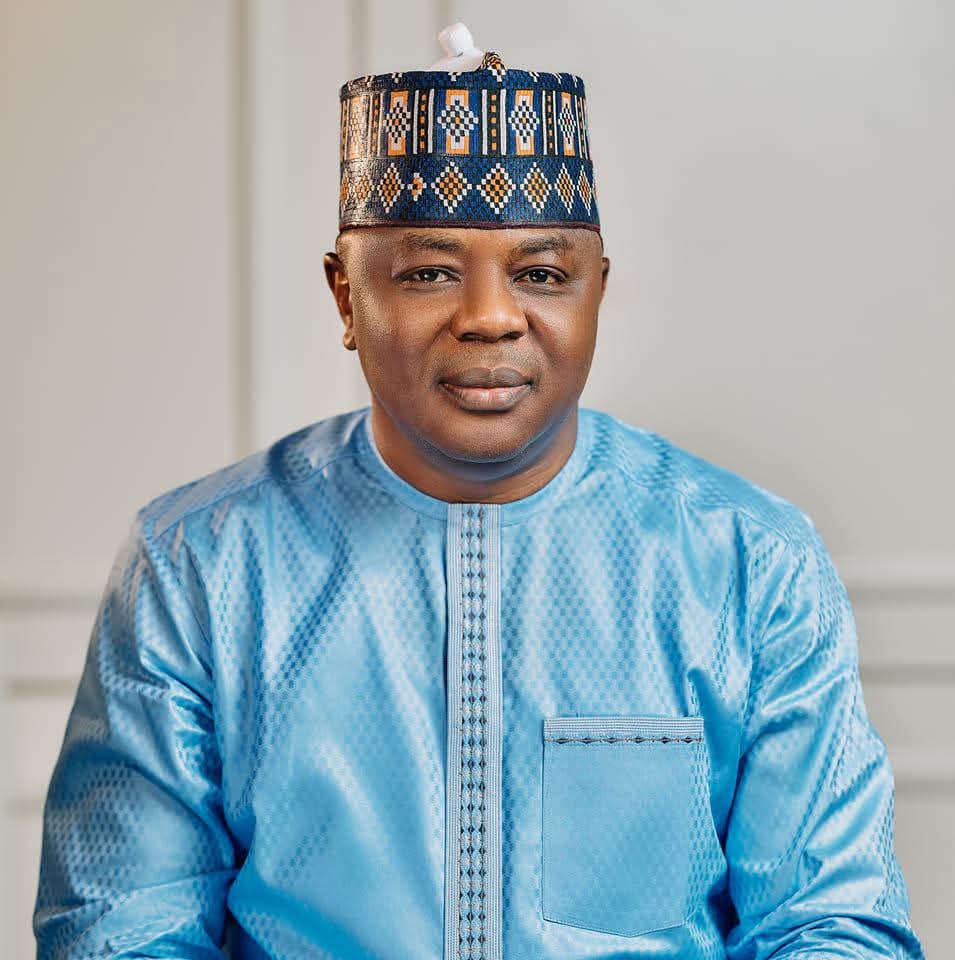
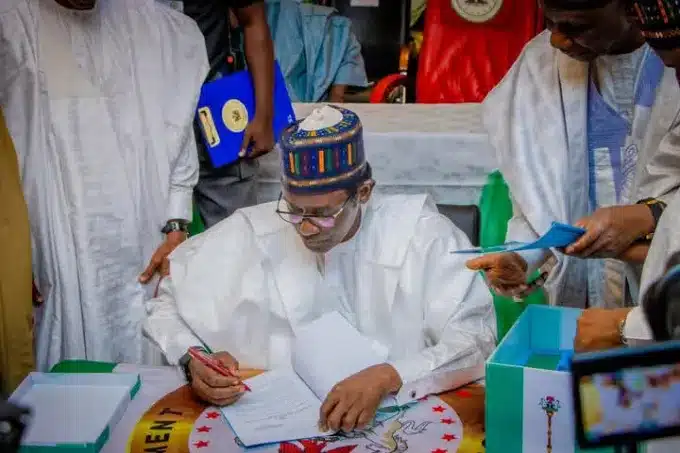
Yobe State Governor, Mai Mala Buni, on Thursday presented a total budget proposal of ₦515.583 billion for the 2026 fiscal year, reaffirming his administration’s commitment to deepening infrastructure, economic stability, and post-insurgency recovery across the state.
The budget, aptly christened “Budget of Economic Growth and Infrastructural Transformation,” reflects the governor’s sustained drive toward rebuilding Yobe’s social and physical fabric after years of insecurity and economic disruption.
Of the total sum, ₦192.128 billion—representing 37.3%—is earmarked for recurrent expenditure, while ₦323.455 billion, or 62.7%, is allocated to capital projects. The financing sources include receipts from the Federation Account Allocation Committee (FAAC), Internally Generated Revenue (IGR), aids and grants, and the Capital Development Fund (CDF).
Governor Buni explained that the 2026 fiscal plan will consolidate the gains of his previous budgets, focusing on road construction, healthcare, education, markets, and agricultural modernization. The spending blueprint, he said, is not just about building infrastructure but about rebuilding lives and laying a firm foundation for long-term prosperity.
“The budget will ensure the completion of ongoing projects and the commencement of new ones that support post-insurgency recovery and socio-economic transformation,” the governor stated.
In the past year, independent budget-tracking organizations such as BudgIT and TrackaNG ranked Yobe among the most transparent and impactful states in budget execution and public accountability—an achievement many attribute to Buni’s consistent focus on measurable development outcomes.
Economic analysts say the 2026 proposal signals continuity and stability, especially in a state that has transitioned from conflict to reconstruction. The high capital expenditure ratio reflects a deliberate policy to stimulate local enterprise, create jobs, and enhance infrastructure—foundations that have already begun reshaping the state’s economic narrative.
If implemented with the same precision that marked the 2025 fiscal year—when Yobe posted remarkable improvements in road connectivity, healthcare delivery, and agricultural productivity—analysts predict that the 2026 budget could further lift living standards and consolidate Yobe’s position as a leading model of recovery governance in northern Nigeria.
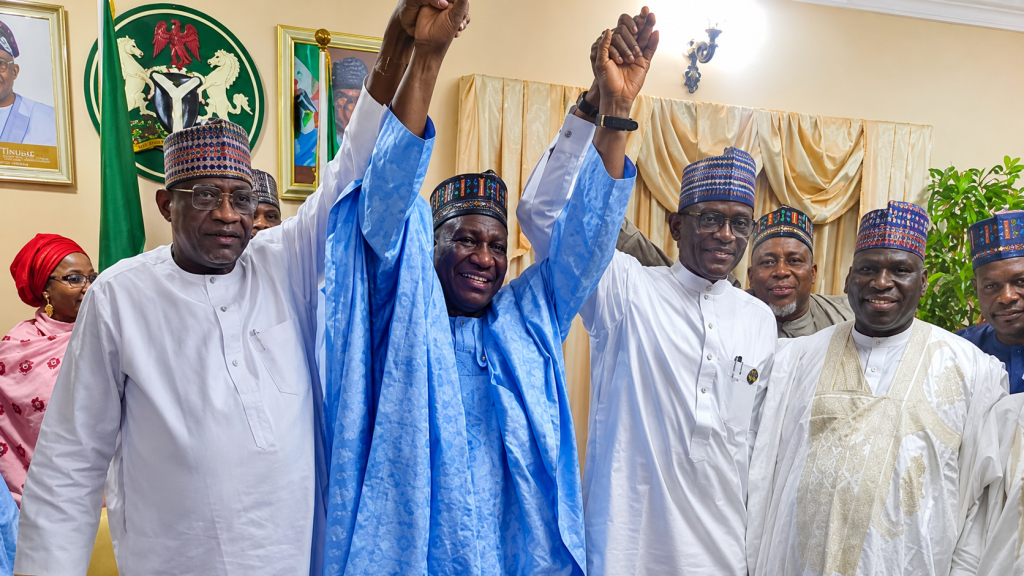
The Speaker of the State House of Assembly, Rt. Hon. Chiroma Buba Mashio assured that lawmakers would give the proposal accelerated consideration, pledging a thorough review to ensure resources are directed toward projects that best serve the people.
As Yobe moves into 2026, Governor Buni’s fiscal vision represents not just numbers on paper, but a roadmap toward sustained growth, institutional strength, and inclusive development—one that could redefine governance in post-conflict regions across Nigeria.